
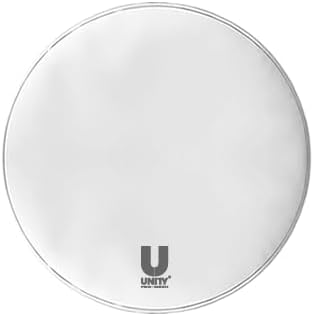
If your electronic kit’s heads have gone baggy, started double-triggering, or just never felt quite right, a set of better mesh heads is one of the cheapest upgrades you can make. They can change how the kit feels under the sticks more than a new module would. This guide looks at Unity Pro-mesh 3-ply heads, a UK brand made specifically for electronic kits and acoustic-to-electronic conversions, and explains who they suit, how to pick the right sizes and how to fit them.
Unity Pro-mesh sizes at a glance
| Product | Best for | Price | Buy |
|---|---|---|---|
| Unity Pro-mesh Drum Heads - 8" | Small toms and many e-kit toms | Buy on Amazon (opens Amazon in a new tab) | |
| Unity Pro-mesh Drum Heads - 10" | Snares and toms on many e-kits | Buy on Amazon (opens Amazon in a new tab) | |
| Unity Pro-mesh Drum Heads - 12" | Larger snares and rack toms | Buy on Amazon (opens Amazon in a new tab) | |
| Unity Pro-mesh Drum Heads - 13" | Rack toms and conversions | Buy on Amazon (opens Amazon in a new tab) | |
| Unity Pro-mesh Drum Heads - 16" | Floor toms and conversions | Buy on Amazon (opens Amazon in a new tab) | |
| Unity Pro-mesh Drum Heads - 20" | Bass drum conversions | Buy on Amazon (opens Amazon in a new tab) | |
| Unity Pro-mesh Drum Heads - 22" | Bass drum conversions | Buy on Amazon (opens Amazon in a new tab) |
What makes a 3-ply mesh head different?
Mesh heads are woven rather than solid, so the stick bounces back like it would from an acoustic drum but the head makes very little noise. A sensor underneath picks up each hit and tells the module which sound to play and how loud.
Heads come in one, two or three layers (“plies”), and the number of layers changes the feel:
- Single-ply heads are the cheapest and most sensitive, but they can feel like a trampoline, lose tension quickly and wear through sooner.
- Two-ply heads are what most mid-range kits come with. They’re a good balance, and a noticeable step up from single-ply.
- Three-ply heads, like the Unity Pro-mesh, are firmer, hold their tension longer and generally last the longest.
Unity’s heads have two fine outer layers of mesh with a wider-gauge polyester “tension” webbing in between. According to Unity, that middle layer is what helps the head keep its tension, so it triggers reliably without constant retuning, while the fine top layer reduces friction and wear on your sticks.
Why Unity heads are a good upgrade for electronic kits
They’re built for electronic drumming. Unity is a UK brand started by drummers who play electronic kits, and 3-ply mesh heads are its speciality rather than a side-line.
They fit most kits. Unity says the heads replace existing mesh heads on any kit, naming Roland, ATV, Gewa, Pearl, Millenium and Alesis among others. Any size can go on a snare, tom or bass drum. They’re also designed for acoustic-to-electronic (“A2E”) conversions, where you fit triggers and mesh heads to an ordinary acoustic kit.
They hold their tension. This is the everyday benefit you’ll notice most. Loose heads cause missed notes, uneven volume and false triggers. A head that stays at the tension you set means you tune once and get on with playing.
They’re quiet. The woven material is much quieter than a normal drum head, which is the whole point if you’re practising at home. Bear in mind that no kit is silent: you’ll still hear the sticks, and a kick pedal still thumps through the floor, so if you live above someone, pair the heads with a proper riser or isolation mat.
Things to know before you buy
Your kit needs real drums, not rubber pads. Mesh heads fit drum shells with hoops. If your kit has flat rubber pads, you can’t swap in mesh heads; you’d need new pads.
Firmer isn’t for everyone. Three-ply heads feel firmer than the softer single-ply heads on some budget kits. That’s closer to an acoustic snare, which most drummers prefer, but if you like a very light, bouncy feel, keep the tension lower.
You’ll probably need to adjust your module. After changing heads, go into your module’s trigger settings and check the sensitivity for each pad. Newer heads with a different feel can trigger slightly differently, and a couple of minutes of adjustment avoids missed notes or false triggers.
How to find the right size
Electronic kits use a mix of sizes, often smaller than acoustic drums, so don’t guess.
- Check the manual or the manufacturer’s website for your kit. It will list the size of every pad.
- Or measure it yourself. Take the old head off and measure across the drum shell from outside edge to outside edge. Measure the shell, not the hoop, which is slightly bigger.
- Write down every drum – snare, each tom and the kick – because it’s common for the snare to be a different size from the toms.
Pad sizes are given in inches, and Unity sells each size separately, so you only buy what you need.
How to fit mesh heads properly
Most triggering problems after a head change come from uneven tension rather than the head itself.
- Take the old head off and wipe any dust off the edge of the shell.
- Centre the new head and put the hoop back on. Check the sensor underneath (usually a foam cone in the middle) is sitting straight.
- Tighten every tension rod by hand until they all just touch the hoop.
- Tighten in a star pattern, going across the drum rather than round it, a quarter-turn at a time. This keeps the tension even so the head doesn’t sit crooked.
- Stop when the stick bounces back the way you like. Tap near each tension rod: they should all feel about the same.
- Recheck the trigger settings on your module, as above.
New mesh heads can settle slightly over the first few days, so it’s worth checking the tension again after a week of playing.
Should you buy them?
If your kit came with single-ply heads, or the originals have worn loose, Unity Pro-mesh 3-ply heads are an easy upgrade that should make the kit feel more solid and trigger more reliably. They’re also a sensible choice if you’re converting an acoustic kit to electronic and need heads in full drum sizes. If your kit already has good two- or three-ply heads that are holding their tension, there’s no need to replace them until they wear.